Art History Book: The Playful Display Font That Adds Character to Your Design Projects
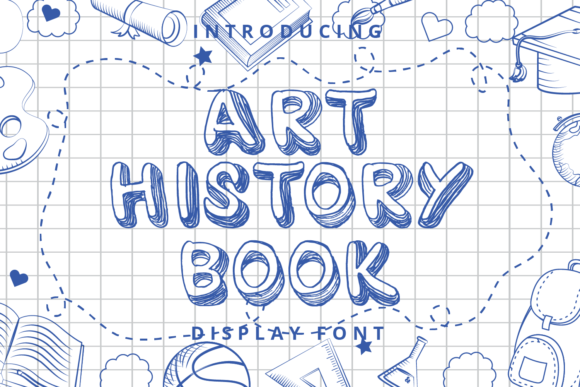
If you have ever scrolled through a design portfolio or browsed a trendy boutique’s website, you might have noticed a specific typographic trend that feels both nostalgic and refreshingly modern. It is bold, outlined, and undeniably cute. This is Art History Book, a display font that has carved out a niche for itself by balancing whimsy with structural clarity. Unlike the stark minimalism that dominated the early 2010s, Art History Book brings a hand-crafted, almost editorial feel to digital and print media. It is not just a typeface; it is a stylistic statement that signals creativity, approachability, and a touch of retro charm.
For designers, entrepreneurs, and content creators aged 20 to 50, finding a font that strikes the right balance between readability and personality can be a challenge. Art History Book solves this by offering a unique outline style that works exceptionally well in headlines, logos, and short bursts of text. It is versatile enough to fit into a wide array of designs, from sleek web interfaces to tactile business cards, making it a valuable tool in any creative toolkit.
Why Outline Fonts Are Having a Moment
Before diving into the specifics of Art History Book, it is worth understanding why outlined typography is so effective right now. In an era where screens are filled with dense blocks of text, an outlined font acts as a visual breath of fresh air. It creates negative space within the letters themselves, which draws the eye and adds a layer of sophistication without requiring complex graphic elements.
Art History Book leverages this effect perfectly. Its "cute" style does not mean childish; rather, it implies a softness and approachability that contrasts beautifully with sharp, geometric sans-serifs. This duality makes it incredibly fitting for brands that want to appear professional yet friendly. Whether you are designing for a lifestyle blog, a handmade jewelry shop, or a modern cafe, the font adds a unique touch that stands out in a crowded digital landscape.
Real-World Applications: Where Art History Book Shines
The true value of a font lies in its application. While many display fonts are limited to specific niches, Art History Book proves its adaptability across various industries and mediums. Here is how different users are utilizing this typeface to enhance their projects.
Web Design and Digital Branding
In web design, first impressions matter. Using Art History Book for hero headers or navigation menus can instantly set the tone for a site. Because the font is outlined, it often requires less background clutter to make an impact. For example, a wellness coach might use the font on a clean, white background with soft pastel accents to convey calm and clarity. Alternatively, a tech startup focused on creative tools might pair it with dark mode aesthetics to create a striking, neon-like contrast.
The font’s legibility at larger sizes ensures that it remains readable on mobile devices, which is crucial given the high volume of mobile traffic. However, it is best used sparingly—perhaps for one or two key phrases per page—to maintain visual hierarchy and prevent user fatigue.
Print Media and Stationery
When moving from pixels to paper, Art History Book offers a tactile appeal. Business cards designed with this font can feel like a small piece of art. Imagine a minimalist card where the name is rendered entirely in the outlined Art History Book style, perhaps debossed or foil-stamped to add texture. The cutouts in the letters allow the underlying paper quality or color to show through, creating a multi-sensory experience.
This font is also ideal for event invitations, particularly for weddings, gallery openings, or creative workshops. The "book" aspect of its name hints at a literary or academic elegance, while the outline style keeps it feeling contemporary. It bridges the gap between traditional formality and modern playfulness, making it perfect for events that aim to be memorable but not stuffy.
Social Media and Content Creation
For influencers and small business owners, social media graphics need to stop the scroll. Art History Book provides the visual weight necessary to grab attention in a feed saturated with images. Quote graphics, announcement posts, and promotional banners benefit greatly from the font’s distinct character. Because it is a display font, it pairs well with simple photography, allowing the text to serve as the primary focal point without competing with busy backgrounds.
Who Benefits Most from This Typeface?
Not every project calls for Art History Book, but several audiences find it particularly useful due to its specific aesthetic qualities.
- Lifestyle Brands: Companies selling home decor, fashion, or beauty products often rely on emotion-driven marketing. The cute, outlined style of Art History Book aligns well with brands that emphasize self-care, creativity, and personal expression.
- Creative Agencies: Designers, illustrators, and photographers use this font to showcase their own work. It demonstrates a keen eye for typography and a willingness to experiment with unconventional styles.
- Educational Platforms: Courses or blogs related to art, history, or literature can use the font to evoke a sense of curiosity and discovery. The "book" reference subtly reinforces the educational aspect without being literal.
- Food and Beverage: Cafes, bakeries, and specialty food brands often adopt playful typography to appear inviting. Art History Book’s rounded edges and open structure mimic the warmth of handmade goods.
Practical Considerations Before You Use It
While Art History Book is a powerful tool, it comes with certain limitations that designers must navigate to ensure their projects remain polished and professional.
Readability and Length
As a display font, Art History Book is not intended for body text. Trying to read paragraphs of outlined text can be straining for the eyes and difficult to process quickly. The best practice is to use it for titles, headings, and short captions. If you need to provide detailed information, pair it with a clean, neutral sans-serif or serif font that offers high readability. This combination allows the outline font to shine as a decorative element while maintaining functional communication.
Contrast and Backgrounds
Because the font relies on outlines, its visibility depends heavily on the background. On a plain white background, the letters may disappear if the stroke weight is too thin. To mitigate this, designers often use contrasting colors, drop shadows, or solid fills behind the text. Experimenting with different background textures can also help the font pop. For instance, placing the font over a photographic image with a semi-transparent overlay can create depth and ensure the text remains legible.
Pairing Strategies
Finding the right companion font is essential. Since Art History Book is already visually busy, pairing it with another decorative font can create chaos. Instead, opt for simplicity. A clean geometric sans-serif or a classic serif provides the perfect counterbalance, grounding the whimsical nature of the display font. This contrast enhances the uniqueness of Art History Book without overwhelming the viewer.
Maximizing Creative Potential
To get the most out of Art History Book, think beyond standard left-aligned text. Try curving the letters around circular shapes, stacking them vertically for poster-style layouts, or using them as masks for images within the letterforms. The outlined style lends itself well to these experimental techniques, allowing for dynamic compositions that break the mold of traditional typography.
Additionally, consider the context of your brand voice. If your message is serious, urgent, or corporate, this font might undermine your authority. But if you are aiming for engagement, warmth, and creativity, Art History Book is an excellent choice. It invites the audience in, promising a design experience that is thoughtful, stylish, and distinctly human.
Ultimately, Art History Book is more than just a cool outlined display font; it is a versatile asset that can elevate everyday designs into something special. By understanding its strengths and respecting its limitations, you can harness its potential to create work that resonates with your audience and leaves a lasting impression.