Bazinga Font Evaluation: Display Type for Playful Design
In the landscape of digital typography, selecting the right typeface is a critical decision that influences readability, brand perception, and user engagement. Among the myriad of display fonts available to designers, Bazinga has emerged as a distinctive option characterized by its thick lettering and playful aesthetic. This evaluation explores the characteristics, applications, and strategic considerations of using Bazinga in various design contexts.
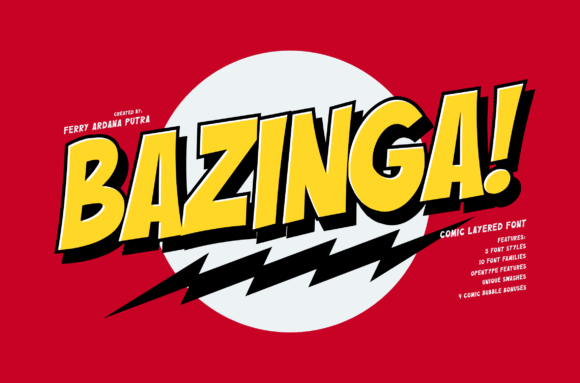
Bazinga is categorized as a fun, thick-lettered display font. Its visual weight and rounded contours make it an immediate attention-grabber, suitable for projects where visibility and personality are paramount. However, the specific nature of this font dictates that it serves best in targeted scenarios rather than as a universal solution for all typographic needs. Understanding its strengths and limitations is essential for designers evaluating it for their next project.
Visual Characteristics and Aesthetic Profile
The defining feature of Bazinga is its substantial stroke width. Unlike standard sans-serif or serif fonts that prioritize legibility at small sizes, Bazinga is designed to command space. The letters are bold, often with exaggerated curves and a sense of volume that gives them a three-dimensional feel even on a flat screen. This thickness allows the font to stand out effectively against complex backgrounds or busy layouts, making it a powerful tool for hierarchy establishment in poster design or headline creation.
The "fun" aspect of Bazinga stems from its informal structure. It lacks the rigid geometry of technical fonts or the historical elegance of traditional serifs. Instead, it embraces a casual, almost cartoonish vibe. This aesthetic alignment makes it particularly effective for brands or content that wish to communicate approachability, humor, or energy. The font does not attempt to be serious or understated; it is inherently expressive. For designers seeking to inject a touch of beauty through whimsy rather than minimalism, Bazinga offers a clear stylistic direction.
Primary Use Cases and Applications
Evaluating where Bazinga fits requires looking at industries and mediums that benefit from high-impact, low-complexity messaging. The font is not intended for body text or long-form reading material. Its utility is concentrated in display applications where the message is brief and the visual impact is the primary goal.
- Cartoon and Animation Media: Given its playful nature, Bazinga aligns naturally with cartoon-related designs. It can mimic the hand-drawn energy of comic book lettering while maintaining the consistency of a digital font. Logos for animation studios or promotional materials for animated series often find value in this aesthetic.
- Children’s Products and Games: For children’s games, educational apps, or toy packaging, Bazinga provides a friendly and engaging look. The thick strokes are easy for young eyes to track, and the cheerful demeanor resonates with the target demographic. It helps create an environment of playfulness without sacrificing clarity in large formats.
- Event Posters and Promotional Materials: When designing posters for local events, parties, or casual gatherings, Bazinga ensures that key information grabs attention immediately. Its ability to stand out makes it ideal for flyers distributed in high-traffic areas where competing visuals vie for attention.
- Brand Names and Logos: Brands aiming for a youthful, energetic, or humorous identity may choose Bazinga for their logotype. It conveys a sense of fun that can differentiate a business from competitors using more conservative typefaces. However, this choice must align with the overall brand voice to avoid perceived unprofessionalism in serious sectors.
- Book Covers and Quotes: For fiction books targeting younger audiences or lighthearted non-fiction, Bazinga can serve as an effective title font. Similarly, social media graphics featuring quotes benefit from the font's ability to fill space and draw the eye, provided the quote itself is short.
Benefits of Using Bazinga
The primary benefit of Bazinga is its instant recognizability. In a digital environment saturated with uniform sans-serifs like Arial or Helvetica, Bazinga offers distinctiveness. This uniqueness can enhance brand recall, as users associate the specific shape of the letters with the content they represent. Additionally, the font’s thickness reduces the need for heavy graphic embellishments. A headline set in Bazinga often requires less supporting visual weight to achieve balance, streamlining the design process.
Furthermore, Bazinga is versatile within its niche. While it is clearly playful, it remains legible at larger sizes. This makes it adaptable across various media, from web headers to print banners. Designers appreciate fonts that maintain their integrity across different output methods, and Bazinga generally holds up well in both vector and raster formats when used appropriately.
Tradeoffs and Limitations
Despite its strengths, Bazinga comes with significant tradeoffs that designers must consider. The most notable limitation is its lack of versatility. It is unsuitable for body text, captions, or any interface requiring sustained reading. Attempting to use Bazinga for paragraphs will result in visual fatigue and poor readability due to the heavy ink coverage and irregular shapes. Therefore, it must always be paired with a neutral, highly readable font for secondary information.
Another consideration is the risk of appearing unprofessional in certain contexts. Because Bazinga is so strongly associated with fun and cartoons, its use in corporate communications, legal documents, or healthcare branding may undermine credibility. It signals informality, which can be a detriment if the subject matter demands seriousness or trust. Designers must carefully assess whether the desired tone matches the font’s inherent personality.
Accessibility is also a factor. While the thick strokes aid visibility, the stylized nature of some letters might reduce legibility for individuals with dyslexia or visual impairments compared to standardized typefaces. Ensuring sufficient contrast and size is crucial when incorporating Bazinga into accessible design frameworks.
Decision-Making Insights for Designers
When evaluating whether to select Bazinga, designers should ask specific questions about their project goals. Is the primary objective to capture attention quickly? Does the brand voice allow for whimsy? If the answer to these is yes, Bazinga is a strong candidate. However, if the goal is to convey stability, tradition, or neutrality, alternatives such as clean geometric sans-serifs or classic humanist fonts would be more appropriate.
It is also important to consider the competitive landscape. If the industry is dominated by minimalist design trends, using Bazinga could either provide a refreshing contrast or appear jarring, depending on execution. Testing the font in context with other design elements is essential to ensure it enhances rather than overwhelms the composition.
Finally, licensing and availability should be verified. As with any commercial typeface, ensuring proper usage rights prevents legal issues. Many platforms offer Bazinga for free or under affordable licenses, making it accessible for independent creators and small businesses. Evaluating the cost against the expected return in terms of brand impact can help justify the investment.
Conclusion
Bazinga is a specialized tool in the designer’s arsenal. It excels in creating bold, playful, and memorable visual statements for titles, logos, and promotional materials. Its thick, fun lettering makes it an excellent choice for children’s products, entertainment media, and brands seeking to project a lively image. However, its limitations in readability and professional applicability require careful handling. By understanding its specific strengths and acknowledging its constraints, designers can make informed decisions that align with their creative goals and audience expectations. When used strategically, Bazinga adds a unique layer of personality that few other display fonts can replicate.