Girly Talk: Why This Whimsical Font Is the Secret Weapon for Soft, Engaging Designs
Choosing the right typeface is often treated as a purely aesthetic decision, but in reality, it is a critical communication tool. When you select Girly Talk, you are not just picking a font; you are setting a tone. This whimsical display font, with its relaxed theme and lovely style, has carved out a specific niche in the design world. It is far more than a decorative afterthought. For creators aiming to evoke warmth, playfulness, or gentle sophistication, Girly Talk offers a distinct voice that standard sans-serifs simply cannot replicate.
However, the very qualities that make this font charming can also lead to significant design pitfalls if used without strategy. Many designers and business owners download whimsical fonts with enthusiasm only to find their projects looking cluttered, unprofessional, or difficult to read. Understanding the nuances of Girly Talk—its structure, its best applications, and where it fails—is essential for leveraging its full potential while avoiding common errors that undermine your brand’s credibility.
Understanding the Aesthetic Appeal of Girly Talk
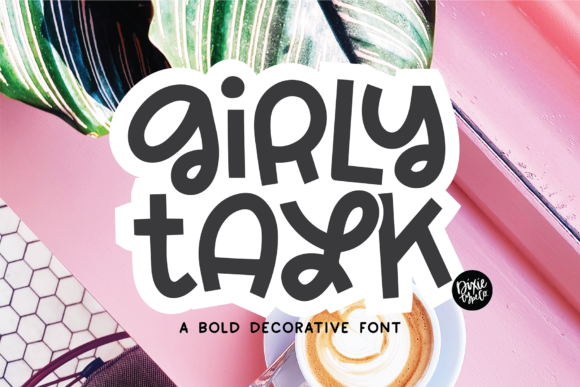
Girly Talk is characterized by its flowing curves and relaxed weight distribution. It does not scream for attention like a bold impact font; rather, it invites the viewer in with a sense of ease and approachability. This makes it particularly effective for brands and projects that want to appear friendly, feminine, or nostalgic. Whether you are designing packaging for a boutique skincare line, creating assets for a children’s game, or crafting invitations for a baby shower, the font’s inherent "lovely touch" adds an immediate layer of emotional resonance.
The font’s versatility lies in its ability to bridge the gap between playful and polished. Unlike some display fonts that feel childish or overly ornate, Girly Talk maintains a level of elegance that appeals to adults aged 20–50. It works well for:
- Cartoon-related designs: Adding character to logos or mascots without sacrificing readability.
- Children’s games and educational materials: Creating an inviting interface that feels fun but not chaotic.
- Lifestyle branding: Enhancing blogs, social media graphics, and marketing emails that focus on self-care, fashion, or home decor.
By recognizing these specific use cases, you can ensure that Girly Talk serves your project’s goals rather than distracting from them. The key is to let the font speak where softness is required, while relying on neutral typefaces for heavy lifting.
Common Mistakes That Undermine Girly Talk
Even experienced designers can fall into traps when working with display fonts like Girly Talk. One of the most frequent errors is overuse. Because the font is visually distinctive, there is a temptation to apply it everywhere. Using Girly Talk for body text, long paragraphs, or technical specifications is a mistake that drastically reduces legibility and reader engagement. Display fonts are designed for headlines, titles, and short phrases, not for extended reading. When users encounter walls of whimsical text, they disengage, leading to higher bounce rates on websites and lower conversion rates on landing pages.
Another critical oversight is ignoring contrast. Pairing Girly Talk with other busy or equally decorative fonts creates visual noise. If you pair it with a similarly curly script or a highly geometric sans-serif, the design loses hierarchy. The eye does not know where to rest, and the message becomes muddled. Additionally, many users overlook the importance of spacing. Whimsical fonts often have unique kerning issues or wide internal counters. Failing to adjust letter-spacing and line-height can make the text look cramped or disjointed, ruining the relaxed vibe the font was meant to convey.
The Impact on Usability and Brand Perception
These mistakes do more than just look bad; they affect usability and trust. If a small business owner uses Girly Talk for price lists or terms and conditions, customers may struggle to find information quickly. This friction leads to frustration and abandonment. Furthermore, inappropriate usage can dilute brand identity. A tech startup using Girly Talk for its main navigation might appear unserious or unprepared, causing potential clients to question its reliability. Conversely, a lifestyle blogger who uses the font correctly for headers but pairs it with a clean, readable serif for body content will see improved readability and a more cohesive aesthetic.
Practical Strategies for Effective Implementation
To avoid these pitfalls, start by defining the hierarchy of your design. Use Girly Talk exclusively for primary headings, logos, or call-to-action buttons where you want to draw immediate attention. Reserve neutral, highly legible fonts for all supporting text. A classic pairing involves combining Girly Talk with a simple sans-serif like Helvetica or a clean serif like Garamond. This contrast ensures that the whimsical element stands out without compromising the overall readability of the piece.
Pay close attention to white space. Give the letters room to breathe. Increase the tracking slightly if the text feels too tight, and ensure adequate line height to prevent descenders from colliding with ascenders below. These subtle adjustments enhance the "relaxed theme" of the font, allowing it to fulfill its purpose as a welcoming visual element.
Consider the context of your audience. If you are targeting a professional B2B audience, use Girly Talk sparingly, perhaps only in email signatures or promotional banners, to add a human touch without undermining professionalism. For consumer-facing brands in the beauty, parenting, or creative sectors, you can afford to be bolder with its usage, but always maintain balance.
Evaluating Licensing and Compatibility
Before finalizing your design, check the licensing agreement for Girly Talk. Some whimsical fonts come with restrictions on commercial use, print runs, or digital embedding. Assuming a free download allows for unlimited commercial application is a costly error that can lead to legal issues. Ensure you have the appropriate license for your specific needs, whether that is web font embedding, large-scale printing, or merchandise production.
Additionally, test the font across different devices and screen sizes. Whimsical fonts can sometimes render poorly on low-resolution screens or mobile devices if not optimized. Preview your designs on various platforms to ensure that the delicate details of Girly Talk remain clear and intact. If the font looks jagged or illegible on a smartphone, you may need to provide fallback options or adjust your design scale.
Final Thoughts on Making the Right Choice
Girly Talk is a powerful tool for adding personality and warmth to your designs. By understanding its strengths and respecting its limitations, you can create visuals that are both beautiful and functional. Avoid the trap of overuse, prioritize readability through strategic pairing, and always verify your licensing. When used thoughtfully, Girly Talk transforms ordinary layouts into engaging experiences that resonate with your audience. Remember, the goal is not just to decorate, but to communicate effectively. Let the font enhance your message, not overshadow it.