Integrating BubleGum Display Font into Modern Design Workflows
In the landscape of digital and print design, typography is rarely just about readability; it is a primary vehicle for brand identity and emotional resonance. For professionals ranging from freelance marketers to small business owners, selecting the right typeface is a critical decision that impacts user engagement and aesthetic appeal. Among the growing array of display fonts available today, BubleGum has emerged as a distinctive choice for projects requiring a blend of whimsy and modern clarity. This font is not merely a decorative element but a strategic asset that can elevate visual hierarchy when integrated correctly into a broader creative process.
Understanding how to implement BubleGum effectively requires moving beyond simple aesthetic appreciation. It involves recognizing its structural characteristics, its compatibility with other design systems, and its specific utility within various stages of a project lifecycle. Whether you are launching a new product line, designing educational materials, or crafting social media content, knowing where this font fits—and where it does not—is essential for maintaining professional quality control and consistency.
Characteristics and Visual Impact
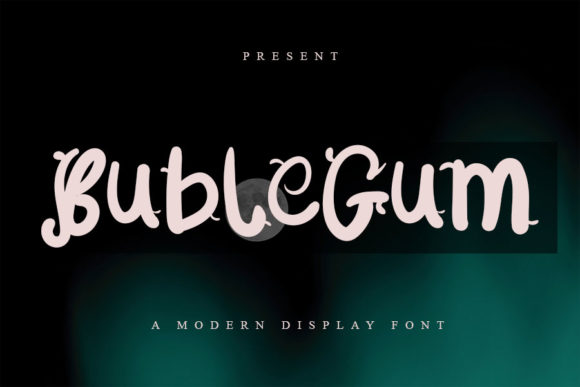
BubleGum is categorized as a modern and whimsical display font. Its design philosophy centers on simplicity paired with a strong visual effect. Unlike complex serif fonts or heavily stylized script typefaces that demand significant cognitive load to read, BubleGum offers an immediate visual hook. The letterforms are clean, rounded, and approachable, creating an inviting atmosphere that resonates well with audiences seeking friendliness and creativity.
The font’s strength lies in its ability to make creations more appealing instantly. In a crowded digital marketplace, first impressions are formed in milliseconds. A headline set in BubleGum can break through visual noise without sacrificing legibility. However, this "strong visual effect" must be managed carefully. Because the font carries such distinct personality, it functions best as a headline or accent type rather than a body text solution. Overusing it can lead to visual fatigue, undermining the very appeal it was designed to create.
The Role of Simplicity in Complexity
One might assume that a whimsical font would be chaotic, but BubleGum’s power comes from its restraint. It avoids unnecessary flourishes while maintaining a playful tone. This balance makes it particularly useful for brands that want to appear innovative and youthful without seeming unprofessional. For educators and bloggers, this means the font can grab attention in article titles or section headers, guiding the reader’s eye through long-form content without disrupting the flow of information.
Pre-Project Planning and Asset Management
Successful implementation begins before any design work commences. Integrating BubleGum into your workflow starts with proper preparation and asset management. Fonts are not static files; they are dynamic tools that require licensing verification, format checking, and systematic organization.
- Licensing Verification: Before incorporating BubleGum into client projects or commercial products, ensure you have the appropriate license. Different use cases—such as web embedding, print publishing, or merchandise—often require different tiers of licensing. Neglecting this step can lead to legal complications later in the production cycle.
- Format Compatibility: Modern workflows often require multiple file formats. Ensure you have access to WOFF/WOFF2 for web performance, TTF/OTF for desktop publishing, and potentially SVG variants for scalable vector graphics. Having these assets organized in a dedicated typography folder within your project directory streamlines the handoff between designers and developers.
- Pairing Strategy: Early in the planning phase, decide how BubleGum will interact with secondary typefaces. Display fonts like BubleGum typically pair best with neutral sans-serifs or clean serifs that provide contrast. Establishing this hierarchy early prevents mid-project redesigns and ensures visual consistency across all touchpoints.
Integration During the Creative Process
Once the project enters the execution phase, BubleGum serves as a tool for emphasis and branding. Its application should be deliberate, targeting specific elements where visual impact is most needed. This is particularly relevant in marketing campaigns, where the goal is to capture attention quickly.
Application in Brand Identity
For entrepreneurs and small business owners, BubleGum can define the voice of a brand. If a company operates in sectors like confectionery, children’s education, creative arts, or lifestyle blogging, the font’s whimsical nature aligns naturally with the industry’s tone. When used in logos or key brand assets, it communicates approachability. However, consistency is key. Use BubleGum for primary headlines and taglines, but reserve simpler fonts for operational text to maintain readability and professionalism.
Social Media and Digital Content
In the fast-paced environment of social media marketing, content creators need tools that stand out in a feed. BubleGum excels here. When designing quote cards, promotional banners, or event announcements, using BubleGum for the main message draws the eye immediately. The font’s rounded edges soften the visual experience, making ads feel less intrusive and more engaging. For freelancers managing multiple clients, having a pre-approved palette that includes BubleGum allows for rapid prototyping and faster turnaround times on visual assets.
Educational and Instructional Materials
Educators and instructional designers can leverage BubleGum to make learning materials more inviting. In presentations, worksheets, or online course modules, headings written in this font can reduce the intimidation factor often associated with dense academic content. By breaking up text blocks with visually distinct headers, instructors can guide learners through complex topics more effectively. The font’s clarity ensures that even younger audiences or non-native speakers can easily identify section titles, aiding in navigation and comprehension.
Post-Production Quality Control and Long-Term Use
The final stage of integration involves reviewing the finished work for consistency and technical accuracy. Once designs featuring BubleGum are complete, a rigorous quality control check is necessary to ensure the font renders correctly across different devices and platforms.
Technical Consistency
Web developers must ensure that BubleGum loads efficiently. Since it is a display font, it may not be loaded on every page view. Implementing font-display strategies in CSS can prevent layout shifts while the font downloads. Additionally, testing the font at various sizes is crucial. While it works well at large scales for headlines, shrinking it too small can cause the rounded details to blur or become indistinct. Always verify legibility on mobile screens, where screen real estate is limited.
Maintaining Brand Integrity
For long-term projects, maintaining the integrity of the typography system is vital. Create a style guide that explicitly states when and how to use BubleGum. Define minimum sizes, color contrasts, and spacing rules. This documentation serves as a reference for future team members, ensuring that the whimsical yet professional tone established by the font is preserved over time. Without these guidelines, there is a risk of the font being overused or misapplied, diluting its impact.
Strategic Considerations for Diverse Audiences
While BubleGum is versatile, it is not a universal solution. Professionals must consider their target audience when deciding to include it in their toolkit. For corporate finance, legal services, or healthcare communications, the whimsical nature of BubleGum may undermine perceived authority. In these contexts, traditional serif or geometric sans-serif fonts are more appropriate. Conversely, for creative agencies, lifestyle brands, and hobbyist communities, BubleGum can be a powerful differentiator.
Understanding the psychological impact of typography is part of a mature design workflow. BubleGum evokes feelings of joy, playfulness, and informality. Leveraging these associations strategically can enhance user experience and drive engagement. By treating the font as a functional component of the design system rather than just a stylistic preference, creators can achieve more cohesive and effective outcomes.
Conclusion on Practical Implementation
BubleGum represents a specific niche in the typographic market: modern, whimsical, and visually striking. Its value lies in its ability to simplify complex messages and add character to standard layouts. By integrating this font thoughtfully—from initial asset management to final quality control—designers and marketers can enhance their visual communication without compromising professionalism. The key to success is balance. Use BubleGum to highlight, not to dominate. When applied with intention and respect for context, it becomes an indispensable tool in the creator’s arsenal, capable of turning ordinary designs into memorable experiences.