Michael Brush: The Friendly Display Font That Brings Designs to Life
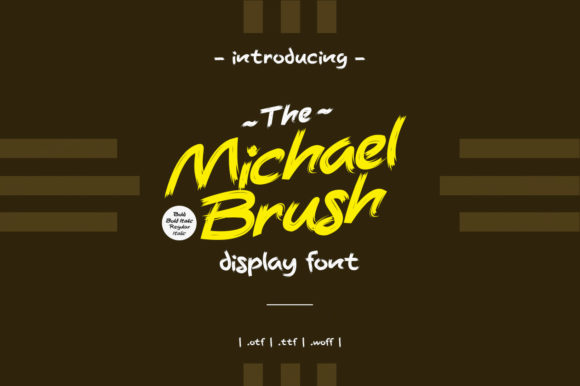
In a digital landscape saturated with sterile, minimalist sans-serifs and overly serious serif typefaces, finding a voice that feels genuinely human can be a challenge. This is where Michael Brush steps in. It is not just another font file sitting in your library; it is a personality. Described as a cute, friendly display font, Michael Brush captures an incredibly youthful feel that instantly softens the tone of any project. If you are looking to add character to your work without sacrificing readability, this chunky lettered font offers a unique solution for creators who want their designs to come alive.
For professionals, entrepreneurs, and hobbyists alike, typography is often an afterthought until the final stages of a project. However, choosing the right typeface can fundamentally alter how your audience perceives your message. Michael Brush bridges the gap between playful and professional, making it an versatile tool for those who need to communicate warmth and approachability. Whether you are designing a blog header, a social media graphic, or a small business logo, understanding the specific utility of this font can save you time and elevate your creative output.
Why Youthful Typography Matters in Modern Design
The "incredibly youthful feel" of Michael Brush is not accidental. It taps into a psychological response where rounded, slightly irregular, and bold letterforms are perceived as safe, inviting, and energetic. In marketing and content creation, first impressions are critical. When a user lands on a webpage or sees a flyer, their brain processes visual cues before they read a single word. A font like Michael Brush signals that the brand or creator is accessible and fun, which can lower barriers to engagement.
This is particularly relevant for freelancers, educators, and bloggers who rely on building a personal connection with their audience. Unlike rigid corporate fonts that can feel distant, Michael Brush introduces a sense of informality that encourages interaction. For instance, a yoga instructor might use this font for class schedules to create a welcoming atmosphere, while a food blogger might use it for recipe titles to evoke the comfort of home cooking. The font’s chunky nature ensures that these messages stand out, grabbing attention in a crowded feed or print layout.
Practical Applications for Professionals and Creators
One of the most common questions designers face is when to use a display font versus a body text font. Michael Brush is explicitly designed as a display font, meaning its strength lies in headlines, titles, and short bursts of text rather than long paragraphs. By respecting this limitation, you can maximize its impact. Here is how different groups can integrate this font into their workflows effectively.
- Small Business Owners: For cafes, boutiques, or craft markets, branding needs to reflect the product's vibe. Using Michael Brush for signage, business cards, or packaging labels can make a brand feel artisanal and handcrafted. It suggests that care and personality went into the product, which is a powerful selling point for local businesses competing against larger chains.
- Educators and Trainers: Creating engaging learning materials is essential for retention. Teachers and corporate trainers can use Michael Brush for slide headers, worksheet titles, or certificate templates. The friendly aesthetic reduces the intimidation factor of complex topics, making educational content feel more approachable for students of all ages.
- Marketers and Bloggers: In the age of scroll-heavy social media, stopping power is currency. Michael Brush’s bold, chunky letters cut through visual noise. Use it for call-to-action buttons, quote graphics, or event announcements. Its high visibility means less text is needed to convey the main idea, helping you communicate faster and more efficiently.
Enhancing Communication Through Visual Tone
Communication is not just about what you say, but how it looks. Michael Brush helps solve the problem of tone mismatch. Often, a serious message can fall flat if presented in a stiff font, or a lighthearted joke can seem forced if paired with a delicate script. This font provides a middle ground—a "cute" yet sturdy presence that supports a wide range of positive emotions.
Consider a scenario where a freelancer is pitching a project to a client in the children’s entertainment or pet industry. Standard fonts might feel too generic. By incorporating Michael Brush into the proposal deck or mood board, the freelancer demonstrates an understanding of the target demographic’s preferences. This subtle choice shows attention to detail and strategic thinking, potentially strengthening the client relationship and increasing the likelihood of securing the contract. It simplifies decisions by aligning the visual identity directly with the emotional goal of the project.
Design Tips for Getting the Most Out of Michael Brush
To truly notice how Michael Brush makes your designs come alive, you must pair it wisely. Because it is a heavy, display-oriented typeface, it demands space. Overcrowding it with other busy elements will dilute its impact. Instead, use it as a focal point. Pair it with clean, simple sans-serif fonts for body text to create a balanced contrast. The simplicity of the background allows the character of Michael Brush to shine without causing visual fatigue.
Color also plays a significant role in realizing the font’s youthful potential. While black works well for clarity, experimenting with vibrant colors can enhance the cheerful vibe. However, ensure there is sufficient contrast for accessibility. Remember, the goal is to improve presentation, not just decorate. Use the font sparingly for maximum effect—perhaps one word per line, or a key phrase that anchors the design. This restraint prevents the design from feeling cluttered and maintains a professional polish despite the playful typeface.
Considering Limitations and Fit
No single font is a universal solution. Michael Brush is best suited for projects that benefit from a casual, energetic, or whimsical tone. It may not be appropriate for legal documents, financial reports, or academic papers where authority and tradition are paramount. Users should compare options based on the specific context of their project. If the goal is to convey strict professionalism, a geometric sans-serif or a classic serif would be a better fit.
Additionally, consider the medium. On small mobile screens, extremely thick fonts can sometimes become illegible if scaled down too much. Always test your designs at the size they will actually appear to the end-user. This practical step saves time during revisions and ensures that the intended message is received clearly. By being mindful of these constraints, you can leverage Michael Brush as a strategic asset rather than a decorative gimmick.
Final Thoughts on Creative Expression
Ultimately, typography is a form of non-verbal communication. Choosing Michael Brush is a decision to prioritize warmth, energy, and approachability in your visual storytelling. It empowers creators to break away from the monotony of standard web fonts and inject a bit of soul into their work. Whether you are a seasoned designer or a beginner exploring Canva templates, adding this chunky lettered font to your toolkit can help you achieve results that resonate on a human level.
As you experiment with layouts, pay attention to the reactions your designs elicit. Does the audience smile? Do they engage more readily? These are the signs that you have found the right visual voice. Michael Brush offers a reliable way to connect with audiences who value authenticity and joy in their digital experiences. By integrating this font thoughtfully, you are not just filling space with letters; you are crafting an experience that feels alive, inviting, and distinctly memorable.