Silver Bend: Elevating Visual Identity Through Strategic Typography
In the landscape of modern design, where visual noise is constant and attention spans are fleeting, the choice of typography is rarely just an aesthetic decision; it is a functional one. Fonts serve as the voice of a brand, setting the tone before a single word is read. Among the growing array of display typefaces available to creators, Silver Bend has emerged as a distinctive tool for those seeking to inject sophistication and structural elegance into their projects. This article explores how Silver Bend fits into professional workflows, offering practical insights on its implementation across various media formats.
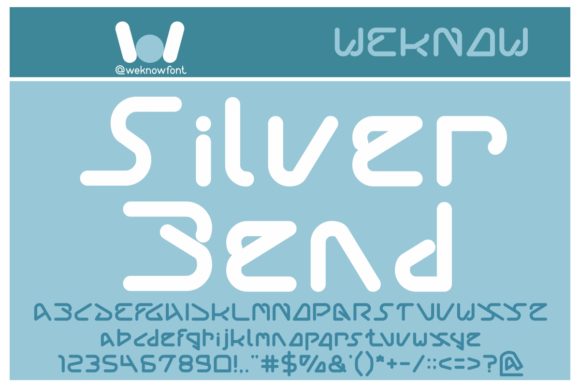
Silver Bend is not merely a font; it is a stylistic device designed to command attention through its unique curvature and metallic sheen. Its name suggests a fusion of rigidity and flexibility—a "bend" in silver—implying a material quality that feels both premium and adaptable. For designers, marketers, and business owners, understanding the specific utility of such a typeface allows for more intentional creative decisions. It moves beyond simple decoration to become a core component of brand communication strategy.
Understanding the Role of Display Fonts in Workflow
To integrate Silver Bend effectively, one must first understand its place within the broader hierarchy of typographic design. In any comprehensive design process, fonts are categorized by their function: body text for readability, UI elements for clarity, and display fonts for impact. Silver Bend falls squarely into the latter category. It is engineered for short bursts of text where legibility at large scales takes precedence over paragraph reading speed.
When planning a project, whether it is a rebranding effort or a seasonal marketing campaign, the initial phase involves defining the emotional resonance of the message. If the goal is to convey luxury, modernity, or high-end craftsmanship, Silver Bend offers a visual shorthand for these concepts. The subtle curves and sharp angles mimic the look of polished metal, suggesting durability and value. This psychological association can be leveraged during the conceptual stage to align visual assets with business objectives.
However, the power of Silver Bend lies in its restraint. Because it is a display font, it demands space. It cannot compete with dense blocks of copy. Therefore, successful implementation requires a workflow that prioritizes negative space. Designers must plan layouts that allow the font to breathe, ensuring that the "silver" aesthetic remains the focal point rather than being lost in clutter. This requires a shift from content-first thinking to visual-hierarchy-first thinking during the early sketching and wireframing phases.
Strategic Application Across Media Formats
The versatility of Silver Bend allows it to adapt to various touchpoints, but each medium requires a tailored approach to ensure consistency and impact. Below are key areas where this font delivers maximum value when integrated correctly.
Print Collateral and Physical Branding
For small business owners and entrepreneurs, physical assets remain powerful tools for establishing trust. Silver Bend excels in print environments due to its ability to render crisp lines and gradients. When used on business cards, the font should be reserved for the logo or the primary job title. Using it for contact information reduces readability and undermines the professional intent. A common workflow error is overusing decorative fonts; instead, pair Silver Bend with a clean, sans-serif typeface for secondary details. This contrast creates a balanced composition that guides the eye naturally from the brand identity to the necessary information.
Similarly, on posters and event flyers, Silver Bend serves as the anchor. Large-scale printing amplifies the texture of the font, making the "metallic" effect appear tangible. Ensure that the background color provides sufficient contrast. Dark backgrounds often enhance the silver illusion, while light backgrounds may require adjustments to the font weight to maintain visibility. During the pre-press stage, verify that the vector paths are clean to avoid jagged edges in the final print, preserving the sleek aesthetic.
Digital Presence and Social Media
In the digital realm, screen resolution and rendering engines dictate how fonts appear. Silver Bend’s intricate details can sometimes suffer on low-resolution displays if not scaled appropriately. For social media graphics, particularly Instagram posts or LinkedIn banners, use the font sparingly. It is ideal for quote cards or announcement headers where the message is brief. When designing for web, consider converting the font to SVG or using high-quality image exports to ensure the gradient effects translate accurately across different browsers and devices.
For bloggers and content creators, Silver Bend can be used to create custom featured images. Instead of relying on generic stock photos, overlaying a compelling quote in Silver Bend against a minimalist background can increase click-through rates. The font’s elegance signals authority and thought leadership, qualities that resonate with audiences seeking expert advice. However, always test the font size on mobile views to ensure it remains readable without zooming.
Packaging and Product Labels
For product-based businesses, packaging is a silent salesman. Silver Bend adds a layer of perceived value to labels, boxes, and tags. It works particularly well for products positioned as premium or artisanal, such as cosmetics, jewelry, or gourmet foods. The workflow here involves close collaboration between graphic designers and production teams. The font’s design must withstand the constraints of label sizes and materials. Embossing or foil stamping techniques can further enhance the silver effect, bridging the gap between digital design and physical reality.
Integration with Other Design Tools and Assets
No design exists in isolation. Silver Bend interacts dynamically with other visual elements, and its success depends on harmonious integration. Color theory plays a crucial role. While the font itself implies a silver hue, pairing it with complementary colors can amplify its impact. Cool tones like navy blue, charcoal gray, or deep emerald green enhance the metallic feel, creating a cohesive and sophisticated palette. Conversely, warm accents like gold or copper can create a striking juxtaposition, though care must be taken to avoid visual vibration.
Imagery selection is another critical factor. Silver Bend pairs best with clean, uncluttered photography or abstract geometric shapes. Busy textures or complex photographic backgrounds can distract from the font’s elegance. When selecting stock images or shooting original content, aim for simplicity. Let the typography provide the structure, while the imagery provides the context. This division of labor ensures that neither element competes for the viewer’s attention.
Furthermore, consider the software ecosystem. Most modern design platforms support custom fonts, but exporting settings vary. When handing off files to developers or printers, specify the exact version of Silver Bend used. Include fallback options for digital implementations to ensure accessibility. For print, provide high-resolution PDFs with embedded fonts and bleed marks. These technical details are often overlooked but are essential for maintaining quality control throughout the production pipeline.
Long-Term Consistency and Brand Evolution
One of the most significant advantages of adopting a distinctive font like Silver Bend is the potential for long-term brand consistency. Once established, it becomes a recognizable asset. Over time, audiences begin to associate the specific curve and shine of the letters with your brand’s identity. This recognition builds trust and loyalty. To maintain this equity, create a style guide that defines the rules of usage. Specify minimum sizes, clear space requirements, and acceptable color variations.
As trends evolve, the application of Silver Bend may need to adapt. Perhaps a new variation emerges, or the font is combined with emerging design styles like brutalism or neo-brutalism. Staying informed about typographic trends allows you to keep your brand fresh without losing its core identity. Regular audits of your visual assets can help identify inconsistencies and opportunities for refinement. Remember, consistency does not mean stagnation; it means evolving with intention.
Practical Tips for Implementation
- Start Small: Test Silver Bend in small doses before committing to full-scale designs. Experiment with kerning and leading to find the optimal spacing.
- Contrast is Key: Always pair Silver Bend with highly readable fonts for body text. Avoid combining it with other decorative fonts.
- Respect Space: Do not crowd the letters. Allow ample padding around the text to let the design breathe.
- Check Accessibility: Ensure sufficient contrast ratios for visually impaired users, especially when using lighter shades of silver.
- Version Control: Keep backups of your design files and font licenses to facilitate future updates or reprinting.
By treating Silver Bend not just as a decorative option but as a strategic tool, creators can significantly enhance the perceived quality of their work. Whether you are a freelancer crafting a personal brand or a corporation launching a new product line, the thoughtful integration of this display font can make your designs stand out in a crowded marketplace. The key lies in preparation, precision, and a deep understanding of how typography influences human perception.