Wannabe: Why This Quirky Geometric Font Is Stealing the Show in Modern Design
If you have been scrolling through design portfolios, Instagram feeds, or startup landing pages lately, you have likely noticed a shift away from the ultra-minimalist, sterile sans-serifs that dominated the 2010s. Enter Wannabe. It is not just another geometric typeface; it is a personality-driven display font that manages to be cool, friendly, and slightly eccentric all at once. For designers, brand managers, and creative entrepreneurs, understanding why this font works—and where it fits—is less about technical specifications and more about the vibe it injects into a project.
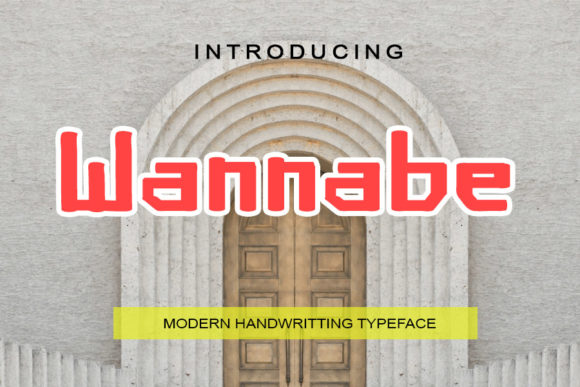
Wannabe is defined by its clean geometric structure, but with a twist. The lines are precise, yet the proportions feel a bit playful, giving it a "little bit quirky" charm that prevents it from feeling robotic. It looks incredibly adept on a wide variety of contexts, bridging the gap between professional polish and approachable fun. Whether you are branding a new coffee shop, designing a poster for a local music festival, or creating a digital ad for a tech gadget, Wannabe offers a visual voice that says, "We are serious about quality, but we don't take ourselves too seriously."
The Power of Approachable Geometry
Geometric fonts often struggle with warmth. Think of the classic Helvetica or Futura; they are reliable, neutral, and sometimes a bit cold. Wannabe solves this problem by softening the edges of strict geometry without sacrificing legibility. The result is a typeface that feels friendly immediately. This is crucial in an era where consumers are bombarded with content and crave brands that feel human.
Consider the modern consumer aged 20 to 50. This demographic is savvy. They can spot a generic template from a mile away. They appreciate authenticity and distinctiveness. When a brand uses Wannabe, it signals that the creator has put thought into the aesthetic details. It suggests a business that values creativity and individuality. For small businesses, this is a low-cost way to elevate their visual identity. You do not need a massive marketing budget to stand out if your typography has character.
Real-World Applications Across Industries
The versatility of Wannabe lies in its ability to adapt to different tones while maintaining its core geometric integrity. Here is how different sectors are leveraging this font to connect with their audiences.
Creative Agencies and Freelancers
For creatives, their portfolio is their resume. Using a standard font can make even the best work look like everyone else’s. Wannabe allows freelancers to add a signature touch to their headers and titles. Imagine a graphic designer’s case study page where the project titles are set in Wannabe. The geometric shape provides structure, while the quirky details hint at the designer’s own creative style. It acts as a silent ambassador for their work ethic—organized, yet imaginative.
Fashion and Lifestyle Brands
The fashion industry is currently embracing a mix of high-end minimalism and streetwear energy. Wannabe sits perfectly in this intersection. It works beautifully for lookbooks, social media graphics, and e-commerce banners. A streetwear brand might use Wannabe for bold, oversized headlines on t-shirts or posters, leveraging its geometric boldness to create impact. Meanwhile, a sustainable lifestyle blog might use it for section headers, pairing it with plenty of white space to create a clean, airy feel that aligns with eco-conscious values.
Food and Beverage
Nothing kills appetite quite like a font that feels too corporate. Wannabe brings a sense of playfulness to menus and packaging. Picture a craft brewery using Wannabe on their beer labels. The geometric shapes suggest precision (important for brewing), but the friendly curves suggest enjoyment. It invites the customer in. Similarly, a boutique bakery could use it for signage, making the shop feel welcoming and artisanal rather than industrial.
Tech Startups and Apps
In the tech world, clarity is king, but boredom is the enemy. Many startups are moving away from the safe, corporate blue-and-grey aesthetics toward more vibrant, expressive identities. Wannabe serves as an excellent display font for app splash screens, feature announcements, and promotional emails. It helps tech products feel more accessible to non-technical users. By using a font that feels "friendly," these companies reduce the intimidation factor often associated with new software.
Who Benefits Most from Wannabe?
Not every user needs a display font like Wannabe, but those who do benefit significantly. The primary beneficiaries are individuals and teams who need to communicate quickly and memorably. If you are a solo entrepreneur wearing multiple hats, having a go-to font that handles both headings and subheads with equal flair saves time and mental energy.
Marketers also find value in Wannabe because it increases click-through rates in visual-heavy environments. In a crowded feed, a unique typographic choice stops the scroll. The "quirkiness" creates curiosity. People pause to read what the text actually says because the container—the font itself—has caught their eye.
Practical Considerations Before You Use It
While Wannabe is a powerful tool, it is important to use it strategically. Display fonts are meant to be displayed, not read in long paragraphs. Overusing Wannabe for body text can lead to visual fatigue and reduced readability. Instead, pair it with a simple, neutral sans-serif for longer passages of text. This contrast creates a hierarchy that guides the reader’s eye naturally.
Another consideration is context. While Wannabe is friendly, it is not appropriate for formal legal documents, academic papers, or somber news reporting. Its inherent playfulness would undermine the seriousness required in those fields. Always ask yourself: does this font match the emotional tone of the message? If the goal is to inform dryly, look elsewhere. If the goal is to engage, inspire, or entertain, Wannabe is likely a strong candidate.
Color and spacing also play a huge role. Because Wannabe has distinct geometric shapes, it benefits from generous letter-spacing (tracking). Giving the letters room to breathe enhances its modern, airy feel. Additionally, experimenting with color can transform the font’s mood. A dark navy Wannabe headline feels trustworthy and professional, while a bright coral version feels energetic and youthful.
Why Wannabe Stands Out in a Crowded Market
The market for fonts is saturated. New typefaces are released daily. So, why choose Wannabe? The answer lies in its balance. It avoids the extremes of being too rigid or too decorative. It occupies a sweet spot that appeals to a broad audience. It is cool enough for the trend-chasers but stable enough for the traditionalists. This duality makes it a safe yet exciting choice for designers who want to push boundaries without alienating their clients.
Furthermore, the "geometric" aspect ensures longevity. Trends come and go, but geometric forms are timeless. By grounding its quirkiness in solid geometry, Wannabe resists looking dated quickly. A font that was trendy three years ago might look obsolete today. Wannabe’s structural integrity gives it a better chance of remaining relevant for years to come.
Final Thoughts on Creative Expression
Typography is one of the most underutilized tools in a designer’s arsenal. We often focus on images, colors, and layouts, neglecting the words themselves. Wannabe reminds us that text can be an image. It can convey emotion, attitude, and brand identity before the viewer even reads the sentence. By choosing a font with character, you are making a statement about your attention to detail and your willingness to embrace individuality.
Whether you are revamping a personal brand, launching a product, or simply updating your social media presence, taking a closer look at Wannabe could be the spark your project needs. It is a reminder that design does not have to be perfect to be effective; sometimes, it just needs to be a little bit wannabe—authentic, relatable, and unapologetically itself.