Applique: Adding Joyful Quirkiness to Your Design Projects
In a digital landscape saturated with sterile sans-serifs and rigid geometric typefaces, finding a font that genuinely connects with an audience can feel like searching for a needle in a haystack. Enter Applique, a display font that brings a distinct sense of whimsy and warmth to any visual project. It is not just another decorative typeface; it is a tool designed to inject personality, joy, and a touch of the quirky into your creative output. Whether you are a seasoned graphic designer looking to refresh your portfolio or a small business owner trying to make your brand memorable, Applique offers a unique solution for standing out in a crowded market.
Understanding the Character of Applique
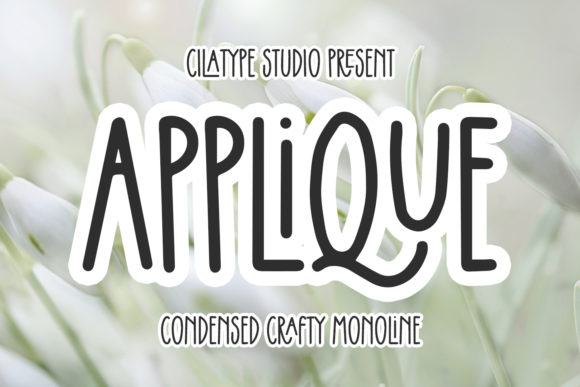
At its core, Applique is defined by its playful nature. The term itself suggests something applied or added as an ornament, which perfectly mirrors how this font functions in design. It does not try to blend into the background; instead, it demands attention through its charming irregularities and soft curves. Unlike traditional serif or sans-serif fonts that prioritize readability above all else, Applique prioritizes character. This makes it an excellent choice for headlines, logos, and short bursts of text where emotional impact matters more than extensive reading.
The strength of Applique lies in its ability to evoke positive emotions. When viewers encounter this font, they often associate it with creativity, friendliness, and approachability. For brands that want to appear less corporate and more human, this is invaluable. The font’s quirky elements prevent designs from feeling too serious or intimidating, making complex ideas feel accessible and fun. However, this does not mean it lacks sophistication. Used correctly, Applique can balance playfulness with elegance, creating a visual hierarchy that guides the eye without overwhelming it.
Practical Applications Across Industries
One of the most compelling aspects of Applique is its versatility across different sectors. While it might seem limited to children’s products due to its cute aesthetic, its application extends far beyond that niche. Here is how professionals in various fields can leverage this font to enhance their work:
- Branding and Identity: For startups, cafes, boutiques, or craft businesses, establishing a friendly brand voice is crucial. Applique can serve as the primary font for a logo or sub-brand, instantly communicating that the company values creativity and customer connection. Imagine a local bakery using Applique for its menu headers—it feels inviting and homemade rather than industrial.
- Digital Marketing and Social Media: In the fast-scrolling world of social media, static images need to pop. Using Applique for quotes, announcements, or event invitations on Instagram or Pinterest can increase engagement rates. Its unique shape stops the thumb from scrolling, drawing users into the content. It adds a layer of visual interest that standard fonts simply cannot match.
- Educational Materials: Educators and content creators often struggle to keep young learners engaged. Incorporating Applique into worksheets, classroom posters, or online course materials can make learning feel less like a chore and more like an adventure. It helps create a welcoming atmosphere that encourages participation and reduces anxiety around difficult subjects.
- Event Invitations and Print Design: From birthday parties to wedding save-the-dates (for non-traditional couples), Applique adds a personal touch. It works beautifully for handcrafted-style invitations, suggesting that care and effort have gone into the planning. The font’s organic feel complements textured papers and watercolor graphics, creating a cohesive and beautiful final product.
Enhancing User Experience Through Typography
Typography is a critical component of user experience (UX). While body text should remain legible and neutral, display fonts like Applique play a vital role in setting the tone of a page. When used strategically, it can reduce cognitive load by signaling the mood of the content before the user even reads a word. A website header featuring Applique tells the visitor that they are entering a space that is relaxed and creative. This subtle cue can improve retention and encourage users to explore further, knowing that the content will be engaging and well-crafted.
Strategic Implementation and Best Practices
To get the most out of Applique, it is essential to use it with intention. Because it is a display font, it has limitations regarding length and context. Overusing it can lead to visual fatigue, making your design look cluttered or unprofessional. Here are some practical tips for integrating Applique into your projects effectively:
- Limit Usage to Headlines: Reserve Applique for titles, subtitles, and key call-to-action buttons. Avoid using it for paragraphs of text. The quirks that make it charming become distracting when readers have to decode every letter in a long sentence.
- Pair with Neutral Typefaces: Balance the whimsy of Applique with clean, simple fonts for supporting text. A crisp sans-serif or a classic serif creates a harmonious contrast, allowing Applique to shine without competing for attention. This pairing ensures that your design remains readable while still being visually interesting.
- Consider Color and Context: The color palette you choose can significantly alter the perception of Applique. Soft pastels enhance its cute and gentle side, while bold, contrasting colors can emphasize its quirky and energetic traits. Always test your font choices against your brand guidelines to ensure consistency.
- Test Across Devices: Display fonts can sometimes lose detail at smaller sizes. Before finalizing your design, check how Applique looks on mobile devices and low-resolution screens. If the details become muddy, consider scaling back or simplifying the design to maintain clarity.
Why Applique Stands Out in a Crowded Market
In an era where consumers are bombarded with thousands of advertisements daily, differentiation is key. Generic templates and overused fonts contribute to "banner blindness," where users unconsciously ignore familiar layouts. By choosing a distinctive typeface like Applique, you break this pattern. You signal to your audience that you are willing to take risks and invest in quality design. This perceived effort translates into trust and credibility.
Furthermore, Applique supports the growing trend of human-centric design. Audiences today crave authenticity and emotional connection. They want to feel understood and valued by the brands they interact with. A font that exudes warmth and personality helps bridge the gap between a business and its customers. It transforms a transactional interaction into a relational one, fostering loyalty and repeat engagement.
Making the Most of Your Creative Ideas
Ultimately, the value of any design tool lies in how well it serves your vision. Applique is not a magic bullet that fixes poor design, but it is a powerful ally for those who know how to wield it. It invites experimentation. Try combining it with hand-drawn illustrations, mix it with vintage textures, or use it to highlight important data points in an infographic. The possibilities are limited only by your imagination.
For freelancers and agencies, offering clients the option to incorporate such distinctive typography can set you apart from competitors. It shows a deeper understanding of branding nuances and a commitment to creating custom solutions. For individual creators, it provides a quick way to elevate simple projects into polished, professional pieces without needing advanced design skills.
As you continue to refine your design process, keep Applique in your toolkit. Let it remind you that design is not just about communication; it is about emotion. By adding this beautiful display font to each of your creative ideas, you will notice a tangible shift in how your work is received. It makes them stand out, yes, but more importantly, it makes them memorable. In a world that moves fast, taking a moment to bring joy through thoughtful design is a strategy that always pays off.