Evaluating Veterinary: A Practical Guide to Using This Bold, Paw-Print Display Font
Choosing the right typeface is often an overlooked but critical step in visual communication. For designers, crafters, and content creators working on projects that require a specific blend of authority and approachability, font selection can make or break the aesthetic balance. Veterinary is a display font that has carved out a niche by combining bold, thick lettering with distinctive cute paw motifs. This unique characteristic makes it particularly suitable for industries related to animals, pet care, and playful branding.
However, not every project requires such a specialized character set. Understanding the specific strengths, limitations, and best-use cases of Veterinary is essential before incorporating it into your design workflow. This article provides a detailed evaluation of the font, comparing its features against standard display options and helping you determine if it aligns with your creative goals.
What Makes Veterinary Distinct?
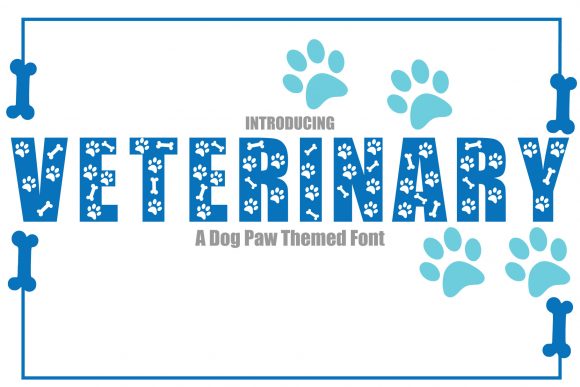
At first glance, Veterinary appears to be a heavy, impactful sans-serif display font. The letters are constructed with significant weight, ensuring high visibility even at smaller sizes or from a distance. However, the defining feature of this typeface is the integration of small paw prints within the negative space or as decorative accents on the glyphs. This design choice immediately signals a connection to pets, wildlife, or animal welfare.
The "cute" aspect of the paws softens the inherent aggression of the bold letterforms. In typography, there is often a tension between readability (often aided by thin, clean lines) and impact (often aided by thick, heavy strokes). Veterinary resolves this tension by using the paw details to add whimsy without sacrificing the structural integrity of the words. This makes it a versatile tool for brands that want to appear professional yet friendly.
- Bold Weight: The thick strokes provide excellent legibility and visual dominance.
- Paw Motifs: The subtle or prominent inclusion of paw prints adds thematic relevance instantly.
- Display Orientation: Like most fonts with decorative elements, Veterinary is optimized for headlines, logos, and large-format text rather than body copy.
Comparing Veterinary to Standard Bold Sans-Serifs
When evaluating Veterinary, it is helpful to compare it against generic bold sans-serif fonts like Arial Black, Impact, or Montserrat Black. These standard fonts are workhorses in the design world—they are reliable, widely available, and neutral. Veterinary, by contrast, is expressive and narrative-driven.
Neutrality vs. Narrative
A standard bold sans-serif conveys strength and clarity but lacks emotional context. If you are designing a legal document or a technical manual, a generic bold font is appropriate because it demands attention without distracting from the information. Veterinary, however, carries its own narrative. The presence of paws introduces an emotional layer that a neutral font cannot achieve. Therefore, while a standard bold font is a safer choice for general business communications, Veterinary offers a distinct advantage when the subject matter is inherently tied to animals.
Customization Potential
Generic fonts allow for extensive manipulation; you can stretch, skew, or color them freely without losing their core identity. With Veterinary, the paw details are integral to the glyph design. Altering the proportions too drastically may distort the paws, making them look unnatural or cluttered. This limits the extent to which you can experiment with the font’s geometry compared to more flexible, geometric typefaces. Designers must respect the original intent of the glyph shapes to maintain the "cute" aesthetic.
Ideal Use Cases for Veterinary
Determining where Veterinary fits best requires looking at the end goal of the design. Because it is a display font, it should primarily be used for short bursts of text where immediate visual recognition is key.
Crafting and Physical Products
One of the strongest applications for Veterinary is in physical crafting. The font’s bold nature cuts well through vinyl, cardstock, and fabric. When creating custom mugs, t-shirts, or tote bags for pet owners, the thick letters ensure durability and readability. The paw details add a tactile feel to the design, enhancing the perceived value of handmade goods. Crafters often use this font for signs, banners, and personalized gifts because it communicates warmth and care effectively.
Digital Design and Social Media
In the digital space, attention spans are short. Veterinary’s high contrast and thematic relevance make it an excellent choice for social media graphics, especially for pet influencers, veterinary clinics, or animal shelters. A headline like "Adopt Don't Shop" rendered in Veterinary will stand out in a crowded feed because it combines urgency (bold weight) with empathy (paw prints). It works particularly well for greeting cards, both digital and print, where the message needs to be heartfelt and visually engaging.
Presentations and Educational Materials
For educators or trainers in the veterinary field, Veterinary can be used to create engaging slide headers. While body text should remain simple and readable, using Veterinary for section titles can help break up dense information and keep the audience engaged. It serves as a visual cue that the topic has shifted to something related to animal health or behavior.
Limitations and Tradeoffs
No single font is a universal solution. Veterinary comes with specific constraints that designers must consider before committing to it.
Limited Versatility
The primary limitation is thematic specificity. Using Veterinary for a non-animal-related project would likely result in confusion or unintended humor. For example, using it for a corporate finance report or a tech startup logo would send mixed messages. The font is too closely associated with pets to be effective in unrelated contexts. If your brand identity is broader than just animal care, Veterinary may restrict your future design flexibility.
Readability at Small Sizes
As a display font, Veterinary is not designed for long paragraphs of text. The decorative paws can become muddy or illegible when scaled down below 12–14 points. Attempting to use it for body copy will reduce readability and increase cognitive load for the reader. Always pair Veterinary with a simple, clean sans-serif or serif font for secondary text to ensure accessibility and ease of reading.
Overuse Risk
Because the font is so distinctive, overusing it can lead to visual fatigue. If every word on a page is in Veterinary, the design loses hierarchy. The boldness becomes monotonous, and the cuteness becomes distracting. Effective design relies on contrast; therefore, Veterinary should be used sparingly as a highlighter rather than the main text source.
Decision Factors: Is Veterinary Right for You?
To decide whether Veterinary is the appropriate tool for your current project, consider the following decision matrix.
- Subject Matter: Does your project involve animals, pets, or veterinary services? If yes, Veterinary is a strong candidate. If no, look for a more neutral alternative.
- Medium: Are you creating large-format displays, logos, or headings? If you need small, dense text, avoid Veterinary. If you are designing for print crafts or digital banners, it is well-suited.
- Tone: Do you want to convey a mix of authority and playfulness? Veterinary achieves this balance. If you need purely serious or purely minimalist aesthetics, other fonts may serve better.
- Brand Consistency: Will this font align with your existing brand guidelines? If your brand uses playful imagery, Veterinary complements that style. If your brand is strictly corporate, it may clash.
Alternatives and Complementary Fonts
If Veterinary does not fit your exact needs, there are several paths forward. You might choose a different bold display font that lacks the paw motif but retains the thick weight, such as a custom-modified version of a popular geometric sans. Alternatively, you could stick with Veterinary but pair it carefully with complementary typefaces.
For pairing, consider light, elegant scripts or clean humanist sans-serifs. The contrast between the heavy, blocky Veterinary and a delicate script can create a sophisticated yet playful look, ideal for boutique pet brands. Conversely, pairing it with a highly readable grotesque sans-serif ensures that any necessary explanatory text remains accessible.
Conclusion
Veterinary is a specialized tool in the designer’s arsenal. Its combination of bold, thick lettering and cute paw motifs makes it uniquely suited for projects centered around animals and pet care. While it lacks the versatility of neutral display fonts, its ability to convey specific emotions and themes is unmatched in its category. By understanding its limitations and applying it strategically to headlines, crafts, and digital graphics, you can leverage Veterinary to create designs that are both visually striking and emotionally resonant. Always evaluate your specific use case, keeping in mind that the best font choice is the one that supports your message without overwhelming it.