Smile Rabbit: The Playful Display Font for Creative Projects
In the crowded landscape of digital design, finding a typeface that balances whimsy with readability is often a challenge. Most playful fonts lean too heavily into caricature, sacrificing legibility for charm, while standard sans-serifs can feel cold and corporate in creative contexts. Smile Rabbit emerges as a distinct solution to this problem. It is a unique and beautiful display font designed specifically to inject warmth, joy, and personality into visual communications without overwhelming the viewer.
Whether you are designing for cartoon-related projects, children’s games, or high-end brand identities, Smile Rabbit offers a versatile toolkit for creators who want their typography to speak softly but carry a lot of visual weight. This article explores why this specific typeface has become a favorite among freelancers, educators, and marketers looking to elevate their aesthetic appeal.
Understanding the Aesthetic Appeal of Smile Rabbit
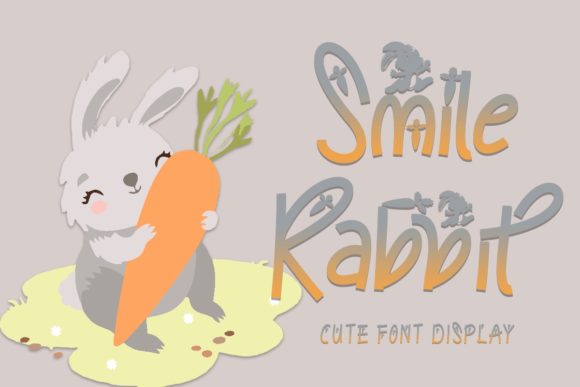
The core strength of Smile Rabbit lies in its character design. Unlike rigid geometric fonts or overly ornate script types, Smile Rabbit features rounded edges, soft curves, and a slight irregularity that mimics hand-drawn lettering. This gives it an organic, approachable feel that instantly lowers the barrier between the content and the audience.
For professionals working in sectors where trust and friendliness are paramount—such as early childhood education, pet care, or family-oriented services—this font acts as a non-verbal cue of approachability. The letters seem to "smile," creating an immediate positive emotional association before the user even reads the text. This subtle psychological effect is crucial in branding, where first impressions determine engagement rates.
Key Characteristics That Set It Apart
- Rounded Geometry: The lack of sharp angles makes the font appear safe and inviting, reducing visual aggression.
- Consistent Weight: Despite its playful nature, the stroke width remains consistent, ensuring that titles remain bold and readable from a distance.
- Versatile Personality: It strikes a balance between childish fun and modern minimalism, allowing it to fit into contemporary designs rather than feeling dated.
- High Legibility: Even at smaller sizes or in complex layouts, the distinct shapes of each letter prevent confusion, a common pitfall in many decorative fonts.
Practical Applications Across Industries
One of the most compelling aspects of Smile Rabbit is its adaptability. While it might initially seem restricted to niche markets like toy packaging, its utility extends far beyond those boundaries. Here is how different professionals can leverage this font in real-world scenarios.
Brand Identity and Logo Design
Entrepreneurs launching startups in the lifestyle, wellness, or creative industries often struggle to define their visual voice. Smile Rabbit provides an instant anchor for brand identity. When used for brand names, it suggests innovation mixed with kindness. For example, a new app focused on mindfulness or a boutique coffee shop could use Smile Rabbit for its logo to signal a relaxed, welcoming atmosphere. It helps differentiate a brand from competitors who rely on sterile, corporate typography.
Educational Materials and Publishing
For educators and self-published authors, engagement is key. Textbooks and workbooks for younger audiences often fail because they look intimidating. By incorporating Smile Rabbit into book covers or chapter headers, publishers can make learning materials feel less like chores and more like adventures. Similarly, for bloggers creating infographics or social media graphics related to parenting or hobbies, this font adds a touch of beauty that encourages shares and saves.
Digital Marketing and Social Media
In the fast-scrolling world of Instagram and TikTok, static images need to grab attention immediately. Smile Rabbit excels in quotes and titles for promotional posts. Its distinct shape ensures that key messages stand out against busy backgrounds. Marketers can use it for limited-time offer banners or event announcements where a sense of urgency needs to be balanced with positivity. It transforms a standard sales pitch into an invitation.
Enhancing User Experience Through Typography
Typography is not just about aesthetics; it is a functional component of user experience (UX). Poorly chosen display fonts can frustrate users, leading to higher bounce rates. Smile Rabbit mitigates this risk by maintaining excellent readability. When used correctly, it guides the eye naturally through the content hierarchy.
Consider a website landing page for a children’s game. Using a standard font for the title might look professional but fail to convey the excitement of the product. Smile Rabbit bridges this gap. It communicates the genre instantly, setting the right expectation for the user. This alignment between visual style and content purpose improves the overall coherence of the design, making the user feel more confident and engaged.
Efficiency in Design Workflows
For freelancers and designers, time is money. Smile Rabbit reduces the need for extensive custom lettering. Instead of spending hours hand-drawing a title for a poster, a designer can simply type it using Smile Rabbit and achieve a similar bespoke look. This efficiency allows for faster turnaround times on client projects, increasing productivity without compromising on quality. It serves as a powerful shortcut for achieving a polished, custom aesthetic.
Best Practices for Implementation
To get the most out of Smile Rabbit, it is essential to use it strategically. Overusing any display font can lead to visual clutter and fatigue. Here are some practical recommendations for integrating this typeface into your projects effectively.
- Pairing with Neutral Fonts: Balance the playfulness of Smile Rabbit with clean, simple body text fonts like Helvetica, Roboto, or Open Sans. This contrast ensures that the detailed headings do not compete with the informational content.
- Moderation in Usage: Use Smile Rabbit primarily for headlines, logos, and short phrases. Avoid using it for long paragraphs of text, as the stylistic details can become distracting and hard to read over extended periods.
- Color Coordination: The font’s friendly nature pairs well with bright, pastel, or warm color palettes. However, ensure sufficient contrast between the text and background to maintain accessibility standards.
- Contextual Relevance: Always consider the tone of your message. Smile Rabbit is perfect for positive, uplifting, or playful content. It may not be suitable for serious news reports, legal documents, or somber announcements.
Conclusion
Smile Rabbit is more than just a pretty font; it is a strategic tool for communication. By combining aesthetic beauty with functional usability, it helps creators connect with their audiences on an emotional level. Whether you are designing a poster for a local community event, crafting a brand identity for a new startup, or creating engaging educational content, Smile Rabbit offers the versatility and charm needed to make your work stand out.
In a digital environment saturated with generic templates, choosing a distinctive typeface like Smile Rabbit demonstrates attention to detail and a commitment to quality. It invites the viewer in, promising a pleasant experience before they even engage with the core message. For anyone looking to add a touch of beauty and personality to their designs, Smile Rabbit is undoubtedly a great choice.