The Alston Typeface: Redefining Urban Elegance in Modern Brand Identity
In the rapidly evolving landscape of visual communication, typography serves as the silent ambassador of brand identity. It is not merely about legibility; it is about setting a tone, establishing authority, and creating an immediate emotional connection with the viewer. Among the myriad of typefaces available to designers and marketers today, Alston has emerged as a distinctive choice for those seeking to blend urban grit with sophisticated elegance. This brushed, thick lettered display font offers a unique aesthetic that resonates deeply with contemporary trends in branding, social media engagement, and high-end design.
For professionals, creators, and entrepreneurs, selecting the right typeface is a strategic decision. It influences how a message is perceived before a single word is read. Alston, with its modern look and robust presence, addresses the growing demand for fonts that are both visually striking and versatile across multiple platforms. From digital screens to printed stationery, this font bridges the gap between street-style coolness and refined luxury.
Understanding the Aesthetic: Brushed Texture and Bold Presence
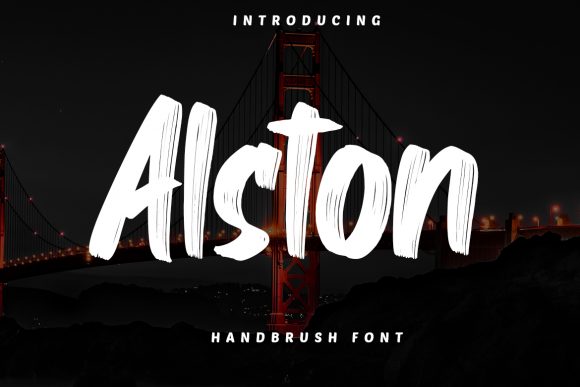
To appreciate the utility of Alston, one must first understand its visual characteristics. Unlike standard sans-serif or serif fonts that rely on clean lines and uniform thickness, Alston features a brushed texture that adds depth and character to every glyph. This textural quality mimics the imperfections and fluidity of hand-painted signage, yet it retains the structural integrity required for professional use. The letters are thick and substantial, commanding attention without appearing heavy or cumbersome.
This specific design language taps into a broader cultural shift towards authenticity and tactile experiences in a digital world. As consumers become increasingly saturated with flat, minimalist designs, there is a renewed appreciation for elements that suggest craftsmanship and human touch. Alston’s urban, cool appearance evokes the energy of city life—the graffiti walls of Brooklyn, the sleek neon signs of Tokyo, and the vibrant murals of Melbourne. By incorporating these elements into a digital format, designers can infuse their projects with a sense of place and personality.
The Psychology of Bold Typography
Thick lettering is not just a stylistic preference; it is a psychological tool. In an era of information overload, bold fonts act as visual anchors. They cut through the noise of crowded social media feeds and cluttered websites. When used correctly, Alston’s weight ensures that key messages are absorbed instantly. This is particularly relevant for headlines, logos, and call-to-action buttons where immediate impact is crucial.
Moreover, the "brushed" aspect of the font softens the aggression often associated with bold, blocky typefaces. It introduces a layer of sophistication that prevents the design from feeling too aggressive or juvenile. This balance makes Alston suitable for a wide range of applications, from edgy streetwear brands to upscale wedding invitations, demonstrating its remarkable versatility.
Strategic Applications Across Industries
The adaptability of Alston allows it to fit seamlessly into various sectors, each leveraging its unique qualities to meet specific market needs. Let us explore how different industries are utilizing this typeface to enhance their visual narratives.
- Branding and Logo Design: For startups and established businesses alike, a logo must be memorable and scalable. Alston’s distinct texture provides a signature element that helps brands stand out in competitive markets. Its urban edge appeals to younger demographics, while its polished finish maintains professionalism. Brands in the fashion, lifestyle, and hospitality sectors frequently choose Alston to convey a sense of modern luxury.
- Social Media Marketing: In the fast-paced world of Instagram, TikTok, and LinkedIn, visual content must grab attention within seconds. Alston is ideal for creating eye-catching graphics, quote cards, and promotional posts. Its readability at small sizes, combined with its bold presence, ensures that messages remain clear even on mobile devices. Marketers are finding that posts featuring Alston often see higher engagement rates due to their distinctive aesthetic appeal.
- Wedding and Event Design: While one might initially associate brushed fonts with casual or street styles, Alston has found a surprising niche in the wedding industry. Couples are moving away from traditional script fonts in favor of more personalized and modern looks. Alston offers a chic, contemporary alternative for save-the-dates, invitations, and table numbers. It brings a sense of cool sophistication that aligns with modern wedding themes, such as industrial-chic or urban garden parties.
- Stationery and Print Materials: Business cards, letterheads, and brochures are still vital tools for networking and client acquisition. Using Alston in print allows companies to make a tangible impression. The texture of the font interacts beautifully with high-quality paper stocks, adding a tactile dimension to the user experience. This attention to detail signals to clients that the business values quality and craftsmanship.
Aligning with Current Market Trends
The rise in popularity of fonts like Alston is not coincidental; it reflects larger shifts in consumer preferences and creative workflows. Several key trends are driving the demand for this type of typography.
The Demand for Authenticity
Modern consumers, particularly Millennials and Gen Z, prioritize authenticity over perfection. They respond positively to brands that feel genuine and relatable. The brushed, slightly imperfect nature of Alston suggests a human hand behind the creation, fostering a deeper connection with the audience. This trend is evident in the growing popularity of hand-lettered logos and custom typography in marketing campaigns.
The Rise of Personalization
Personalization is no longer limited to product recommendations; it extends to visual identity. Businesses are seeking ways to differentiate themselves in crowded markets. Alston provides a customizable canvas that allows designers to tweak weights, spacing, and colors to create a unique look. This flexibility supports the trend towards bespoke branding, where companies invest in custom type solutions to build stronger intellectual property assets.
Digital-First Design Considerations
With the majority of content consumption happening on screens, designers must ensure that their typography remains effective in digital environments. Alston is designed with this in mind. Its thick strokes and clear forms ensure legibility on various screen resolutions. Furthermore, its modern aesthetic aligns with the current trend of dark mode interfaces and high-contrast web designs, making it a practical choice for UI/UX designers looking to create immersive digital experiences.
Practical Tips for Integrating Alston into Your Workflow
To maximize the potential of Alston, it is essential to use it strategically. Here are some practical observations and tips for professionals looking to incorporate this font into their projects.
- Pairing with Complementary Fonts: Because Alston is a display font with strong character, it works best when paired with simpler, neutral typefaces for body text. A clean sans-serif or a classic serif can provide the necessary contrast, allowing Alston to shine as the headline without overwhelming the reader. This balance ensures that the design remains readable and aesthetically pleasing.
- Mindful Use of Space: The thick lettering of Alston requires adequate breathing room. Avoid cramming text together; instead, use generous kerning and leading to let the characters breathe. This enhances the luxurious feel of the font and improves overall readability.
- Color and Background Contrast: To highlight the brushed texture, consider using high-contrast color combinations. White or light gray text on a dark background can accentuate the details of the font, while bold colors against neutral backgrounds can add vibrancy. Experimenting with gradients or textured backgrounds can further enhance the urban aesthetic.
- Contextual Relevance: Always consider the context in which the font will be used. Alston may not be suitable for formal legal documents or academic papers where tradition and neutrality are preferred. However, it excels in contexts where energy, style, and modernity are desired.
Looking Ahead: The Future of Display Typography
As we move forward, the role of typography in brand identity will continue to evolve. With advancements in technology, we can expect to see more dynamic and interactive typefaces. Alston represents a bridge between traditional design principles and future possibilities. Its robust structure allows for easy adaptation to animated formats, where the brushed texture could come alive with subtle movements or transitions.
Furthermore, the increasing importance of accessibility in design means that fonts must be both beautiful and functional. Alston’s clear forms and strong contrast contribute to better readability for users with visual impairments, aligning with the industry’s push towards inclusive design practices.
Conclusion
Alston is more than just a font; it is a statement. It embodies the intersection of urban culture and modern elegance, offering designers a powerful tool to communicate complex brand identities with clarity and style. Whether you are a freelancer crafting a personal brand, a marketer launching a new campaign, or a designer working on a high-profile wedding suite, Alston provides the visual weight and texture needed to make a lasting impression.
In a market that values authenticity, personalization, and digital excellence, choosing the right typeface is a critical step. Alston stands out as a versatile, impactful, and forward-thinking option that meets the demands of today’s creative professionals. By integrating this font into your workflow, you are not just selecting a typeface; you are adopting a design philosophy that prioritizes boldness, beauty, and relevance. Embrace the urban cool of Alston and elevate your visual communications to new heights.