Why Eugenia Elevates Fashion and Editorial Design
In the crowded landscape of digital and print media, visual hierarchy is not merely an aesthetic choice; it is a critical component of communication. When a reader encounters a webpage, a magazine spread, or a brand identity, their eyes are drawn first to typography that commands attention without shouting. This is where the distinction between standard utility and intentional design becomes clear. For professionals working in fashion, lifestyle publishing, or high-end branding, the choice of typeface can define the perceived value of the content before a single word is read. Among the many display fonts available, Eugenia has emerged as a sophisticated option for designers seeking to inject elegance and fluidity into their work.
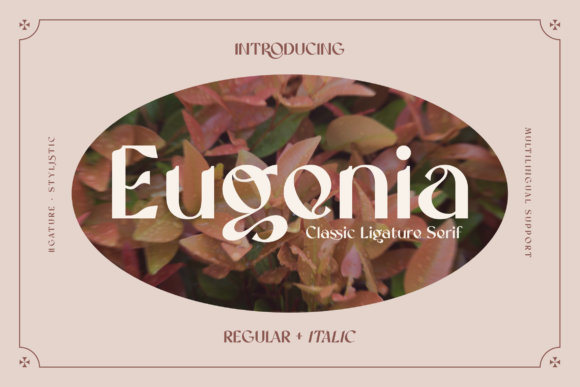
Eugenia is an elegant and uniquely shaped display font. It is defined by smooth curves and is perfect for fashion branding or editorial designs. Add it confidently to your projects, and you will love the results. But what does this actually mean for your workflow and your final output? Understanding the specific characteristics of Eugenia allows you to leverage its strengths while avoiding common typographic pitfalls.
The Anatomy of Elegance: Understanding Eugenia’s Shape
To appreciate why Eugenia works so well in specific contexts, one must look at its structural DNA. Unlike geometric sans-serifs that rely on rigid lines and uniform stroke widths, Eugenia draws inspiration from organic forms. The "smooth curves" mentioned in its description are not just decorative; they guide the eye across the text with a natural rhythm. In typography, this flow reduces cognitive load, making headlines feel inviting rather than imposing.
This unique shaping makes Eugenia particularly effective for display purposes—titles, pull quotes, and cover lines—where legibility at large sizes is paramount. The distinct character shapes create a memorable visual signature. For instance, when used in a header for a luxury clothing line, the softness of the curves suggests fabric quality and comfort, whereas the structured nature of the letters implies tailoring precision. This duality is rare in modern typefaces, which often skew heavily toward either minimalist coldness or playful casualness.
Curves That Communicate Softness and Sophistication
The human brain processes curved lines as safer and more approachable than sharp angles. By utilizing a font like Eugenia, designers can subtly influence the emotional response of their audience. In editorial design, this is crucial. A fashion magazine discussing spring collections benefits from a typeface that feels fresh and airy. Eugenia’s open counters (the enclosed spaces within letters like 'e' or 'a') allow for breathing room, preventing the text from feeling cramped even when set in bold weights.
Consider a blogger launching a new lifestyle brand. They might struggle with balancing professionalism with creativity. Standard serif fonts can sometimes feel too traditional or academic, while generic sans-serifs may lack personality. Eugenia offers a middle ground. It retains enough structure to be taken seriously but possesses enough flair to stand out in a social media feed. This balance is essential for entrepreneurs who need to establish trust while also signaling innovation.
Practical Applications in Fashion and Editorial Contexts
While Eugenia is versatile, its true power shines in industries where image is everything. Let’s explore how this font translates into tangible benefits for different types of creators.
- Fashion Branding: For small business owners in the apparel industry, packaging and lookbooks are primary touchpoints. Using Eugenia on hangtags, website headers, or campaign posters immediately elevates the perceived price point. The font’s elegance mirrors the craftsmanship of the garments. It signals to the consumer that attention to detail is a core value of the brand.
- Editorial Layouts: Editors and publishers dealing with lifestyle, beauty, or travel content can use Eugenia to break up dense text. Because it is a display font, it should not be used for body copy. However, as a headline or subhead, it adds visual interest without distracting from the article’s message. It acts as a visual anchor, drawing the reader into the story.
- Digital Marketing Assets: Marketers creating email newsletters or landing pages often face the challenge of mobile responsiveness. Large, distinctive fonts like Eugenia remain readable and impactful on smaller screens. Its unique shape ensures that promotional banners do not get lost among competitors using similar Helvetica or Arial variants.
Integrating Eugenia into Your Workflow
Adding Eugenia to your projects is straightforward, but maximizing its potential requires strategic placement. Here are some practical recommendations for integrating this font effectively.
- Pairing Strategies: No font exists in isolation. To let Eugenia shine, pair it with a neutral, highly legible sans-serif or serif for body text. Avoid pairing it with other ornate display fonts, as this creates visual clutter. A clean, simple companion font allows the curves of Eugenia to take center stage.
- Weight Selection: Display fonts often have varying weights. Use lighter weights for a delicate, high-fashion feel, and bolder weights for impact statements or sale announcements. Be mindful that heavy weights can become difficult to read if the tracking (letter spacing) is too tight. Adjusting letter spacing slightly wider than usual can enhance the elegance of the curves.
- Contextual Consistency: Ensure that the tone of your message matches the tone of the font. Eugenia conveys sophistication and calm. It may not be the best choice for urgent news alerts or aggressive sales tactics. Aligning the font’s personality with your brand voice strengthens overall communication.
Who Benefits Most from Choosing Eugenia?
Not every project requires a custom or premium display font. However, certain groups will find Eugenia particularly valuable due to the specific demands of their work.
Freelancers and Agencies benefit from having a reliable, distinctive asset in their toolkit. It saves time on design iterations because the font itself provides a strong stylistic direction. Instead of spending hours tweaking layouts to find visual interest, the typography does the heavy lifting.
Publishers and Bloggers gain a competitive edge in search engine results and social sharing. Visually appealing content is more likely to be shared, and a unique typeface contributes to brand recognition. Over time, consistent use of Eugenia can become part of a publisher’s visual identity, much like a logo.
Educators and Creators who produce digital courses or e-books can use Eugenia to make educational materials feel less dry. While the content may be technical, the presentation can remain engaging. Headings in Eugenia can make course modules feel polished and professional, enhancing the learner’s experience.
Considerations and Limitations
It is important to approach any typeface with a critical eye. Eugenia is a display font, which means it is designed for short bursts of text. Using it for long paragraphs will fatigue the reader and hinder comprehension. Always reserve it for headlines, titles, and key phrases.
Additionally, consider the cultural and industry context. While excellent for fashion and editorial, Eugenia might feel out of place in technical documentation, financial reports, or healthcare communications where clarity and neutrality are prioritized over style. In these cases, a more functional sans-serif would be a better fit. Comparing options and testing your typography in real-world scenarios is always recommended. Mockups on actual devices help determine if the font’s curves render smoothly and if the weight balances well with your imagery.
Final Thoughts on Design Confidence
Typography is one of the most powerful tools in a designer’s arsenal. It sets the mood, guides the narrative, and reinforces the brand. Eugenia offers a compelling solution for those looking to infuse their projects with grace and distinction. Its smooth curves and unique shape provide a ready-made aesthetic that resonates with audiences accustomed to high-quality visual experiences.
By understanding where Eugenia fits best and how to pair it effectively, you can elevate your designs from ordinary to exceptional. Whether you are launching a new fashion label, redesigning a magazine layout, or updating your personal blog, adding Eugenia confidently to your projects supports your creative goals. The result is not just a prettier page, but a more effective communication tool that connects with your audience on a deeper level. As you experiment with this font, pay attention to the subtle shifts in perception it brings. You will likely find that the effort to choose the right type yields significant returns in engagement and brand loyalty.